
Forrestfield Vet Hospital
(08) 9453 1290
High Wycombe Vet Hospital
(08) 9454 6915
Pet Dental Care in Forrestfield and High Wycombe
Healthy Teeth.
Happier Pets.
Dental disease is one of the most common health problems we see in dogs and cats, and it often develops silently.
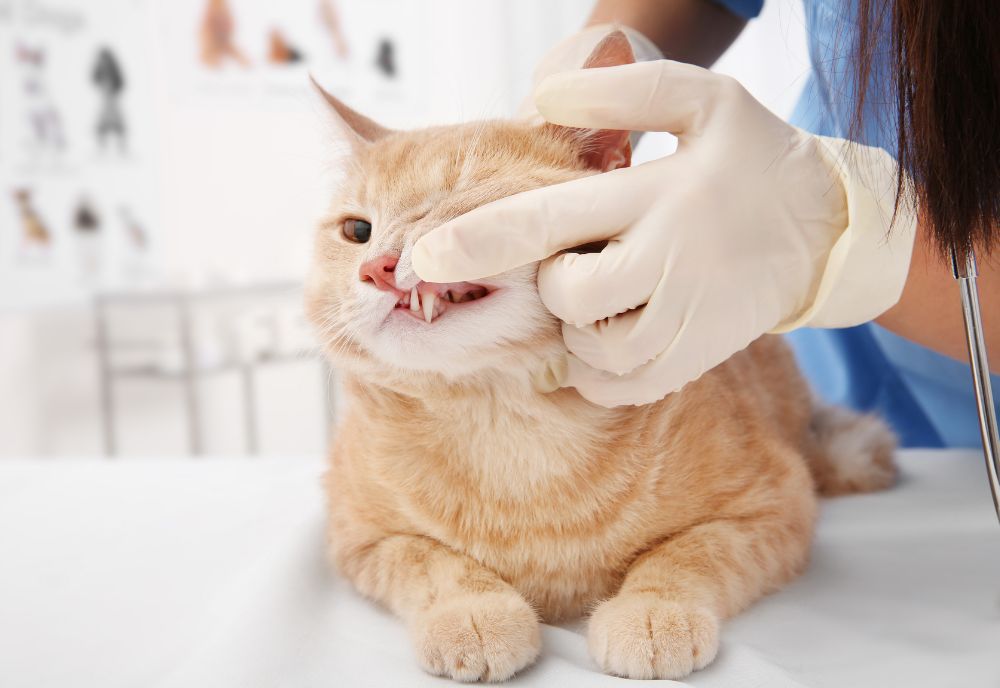
At Forrestfield Vet, we provide professional dental assessments, dental cleaning, dental x-rays and treatment to help keep your pet comfortable, healthy and pain free.
Why Pet Dental Care Matters
According to an article in the Journal of Veterinary Dentistry in February 2026, 80% of our pets are showing signs of dental disease by the age of three! Unfortunately, dental problems can progress quietly beneath the gumline long before obvious symptoms appear.
Dental disease doesn’t just affect the mouth. Ongoing infection and inflammation may also impact the heart, kidneys and overall wellbeing.
Common Signs of Dental Disease:
- Bad breath
- Yellow or brown tartar build-up
- Red or bleeding gums
- Difficulty eating
- Dropping food
- Pawing at the mouth
- Reduced appetite
- Facial swelling
- Loose teeth
What Happens During a Dental Procedure?
At Forrestfield and High Wycombe Vet, every dental procedure is tailored to your pet’s needs and performed under general anaesthetic for their comfort and safety.
Your pet’s dental procedure will include:
- Full oral examination
- Ultrasonic scale and polish
- Dental probing
- Veterinary dental x-rays
- Assessment below the gumline
- Tooth extractions if required
- Pain relief and recovery monitoring
We’ll discuss our findings with you and provide clear recommendations before proceeding with any advanced treatment.
Dental X-Rays
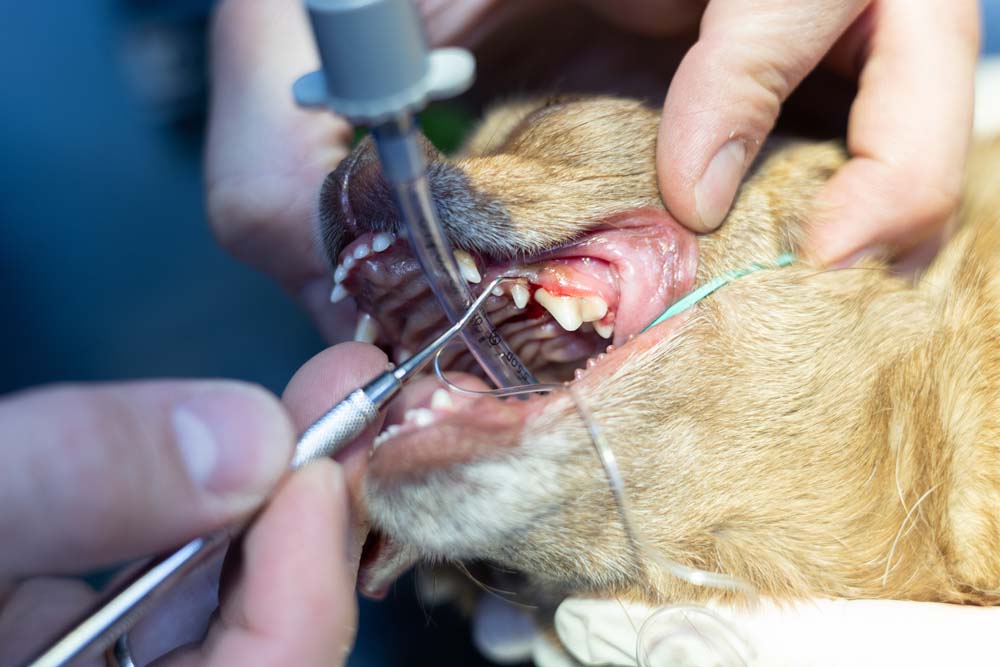
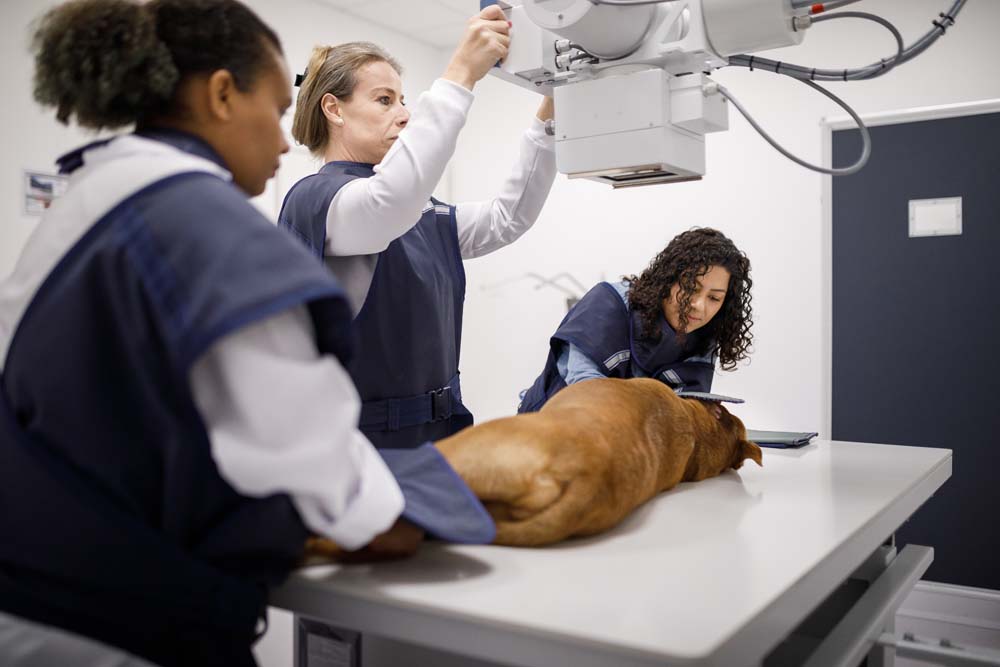
A large portion of dental disease occurs beneath the gumline where it cannot be seen during a standard examination.
Dental x-rays allow us to identify hidden problems such as:
- Tooth root infections
- Fractured teeth
- Bone loss
- Resorptive lesions in cats
- Retained roots
- Unerupted teeth which can result in dentigerous cysts (bony cyst)
Without dental x-rays, significant disease can easily be missed.
At Forrestfield and High Wycombe Vet, dental radiography are vital to provide a more thorough and informed approach to your pet’s dental care.
Dental X-Rays
A large portion of dental disease occurs beneath the gumline where it cannot be seen during a standard examination.
Dental x-rays allow us to identify hidden problems such as:
- Tooth root infections
- Fractured teeth
- Bone loss
- Resorptive lesions in cats
- Retained roots
- Unerupted teeth which can result in dentigerous cysts (bony cyst)
Without dental x-rays, significant disease can easily be missed.
At Forrestfield and High Wycombe Vet, dental radiography are vital to provide a more thorough and informed approach to your pet’s dental care.
Frequently Asked Questions
1. Does my pet need an anaesthetic for dental cleaning?
Yes. Proper dental cleaning and assessment beneath the gumline requires general anaesthesia to ensure your pet’s safety, comfort and a thorough examination.
2. Is there a risk involved with the anaesthetic for a dental procedure?
Every anaesthetic carries some risk, but at Forrestfield and High Wycombe vets we have an experienced, dedicated team monitoring your pet throughout the procedure. Our vets recommend pre-anaesthetic bloodwork to identify any underlying risk factors and all anesthetic protocols are individually tailored to your pet’s needs. Every patient receives intra-operative fluids to ensure a rapid recovery, and we ensure their comfort with comprehensive pain relief. Your pet’s safety and well-being are our priority!
3. How often should my pet have a dental check?
We recommend dental assessments as part of your pet’s annual routine health checks. For pets over three years of age, we recommend 6 monthly check-ups.
4. Are dental extractions common?
Sometimes. Many pets have advanced dental disease below the gumline that can only be identified during a dental procedure and dental x-rays.
5. How long does a dental procedure take?
Most procedures are completed within the day, although timing varies depending on the severity of dental disease.
6. Why is my estimate so broad? Why can’t you give me an exact price for the procedure?
The full extent of your pet’s dental disease is often only visible during examination under a General Anaesthetic, due to limited access to the mouth in a conscious pet (even in the most compliant of patients).
The treatment required can be more extensive than on first appearance, which only becomes evident after dental xrays. This can reveal underlying tooth root abscesses, fractures and other pathology underneath the gum line.
Surgical time can vary because some individual teeth have multiple roots and require complex, time-consuming extraction techniques. There are breed variations that also affect the complexity of the dental procedure.
7. I’ve seen adverts on social media saying dentals for my dog/cat are a waste of time and money, that chews and supplements are far better at treating my pet's teeth and less risky than an anaesthetic?
Dental chews, diet and supplements can help to reduce the incidence of dental disease, but rarely can they resolve it. Unfortunately, by the time some dental disease has been recognized, the changes are irreversible.
The gold standard in preventing dental disease is daily tooth brushing. However, this may not be practical in every patient and even this is not 100% effective as some of the teeth can be difficult to access in a conscious pet!
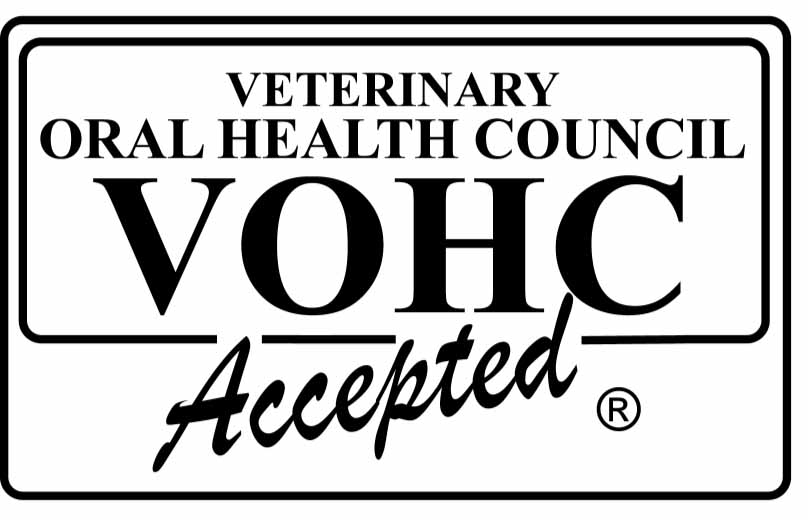
Pet dental products with the VOHC logo have been scientifically proven to be effective in reducing plaque and tartar build up.
Look out for this logo!!
Forrestfield Vet proudly provides dental care for dogs and cats across Forrestfield, High Wycombe, Maida Vale, Kalamunda and Perth’s eastern suburbs.
Our experienced veterinary team focuses on practical, compassionate care and helping pets maintain a healthy quality of life.
Consulting Hours
Weekdays: 9am–11am and 4pm–7pm
Saturday: 9am–5pm
Sunday: Closed
Public holidays: Closed
Consultations by appointment
Office Open
Weekdays: 8am–7pm
Saturday: 8:30am–5pm
Sunday: Closed
Public Holidays: Closed
High Wycombe Vet Hospital
548 Kalamunda Rd, High Wycombe WA 6057
Email: reception@highwycombevet.com.au
Consulting Hours
Weekdays: 9–11am and 4–7pm
Saturday: 9–12pm
Sunday: Closed
Public Holidays: Closed
Consultations by appointment
Office Open
Weekdays: 8am–7pm
Saturday: 8:30am–12pm
Sunday: Closed
Public Holidays: Closed